When Waste Became a Manufacturing Problem
Manufacturers today face increasing pressure to reduce waste, improve operational efficiency and build more sustainable supply chains.
Yet many supply chain issues still begin the same way they always have: materials accumulate, workflows become inefficient and teams are forced to rethink how resources move through their operations.
At Millwood, the strongest operational solutions have never started with products alone. They begin by listening carefully, understanding customer needs firsthand and building practical systems that support long-term performance.
While the language surrounding sustainability, circular systems and Packaging Science has evolved significantly over the years, this mindset has been part of Millwood’s approach from the very beginning.
In fact, long before recycled pallets became an industry trend, one customer challenge helped shape a philosophy that still drives the company today. That conversation was initiated by Pretty Products buyer Norma Ruble in the late 1980s.
At the time, much of the manufacturing industry still viewed pallets as shipping consumables. Product arrived. Pallets were unloaded. Used pallets with any damage were discarded into landfills. Disposal costs were accepted as ‘part of doing business.’
But as landfill restrictions tightened and manufacturers faced growing pressure to reduce industrial waste, companies suddenly found themselves confronting a much larger material handling issue. The volume of discarded pallets accumulating throughout facilities was becoming increasingly difficult and expensive to manage.
That’s exactly where Pretty Products found itself: suddenly forced to reconsider how waste, pallet reuse and material recovery fit within their day-to-day operations.
Norma Ruble was already purchasing truckloads of pallets from Chip Trebilcock through Litco’s Apple Creek operation, when he was working with his father, Corky Trebilcock. Her trust in Litco’s track record prompted her to reach out.
Rather than treating the conversation like a standalone sales call, however, Chip invited his friend Steve Miller – the owner of Millwood Lumber at the time – to walk the facility with him to gauge the situation from multiple angles.
What followed would help shape not only Millwood’s approach to recycled pallets, but a long-term philosophy centered around listening, collaborating and helping customers solve real manufacturing and supply chain issues.
Walking the Plant
Back then, Chip Trebilcock and Steve Miller were operating separate companies, but they had developed a friendship and working relationship within the pallet industry.
Steve had recently entered the pallet business and was supplying new pallets to Litco’s Apple Creek operation while Chip continued serving customers throughout the region. Their shared commitment to customer service shaped the way they approached the situation together.
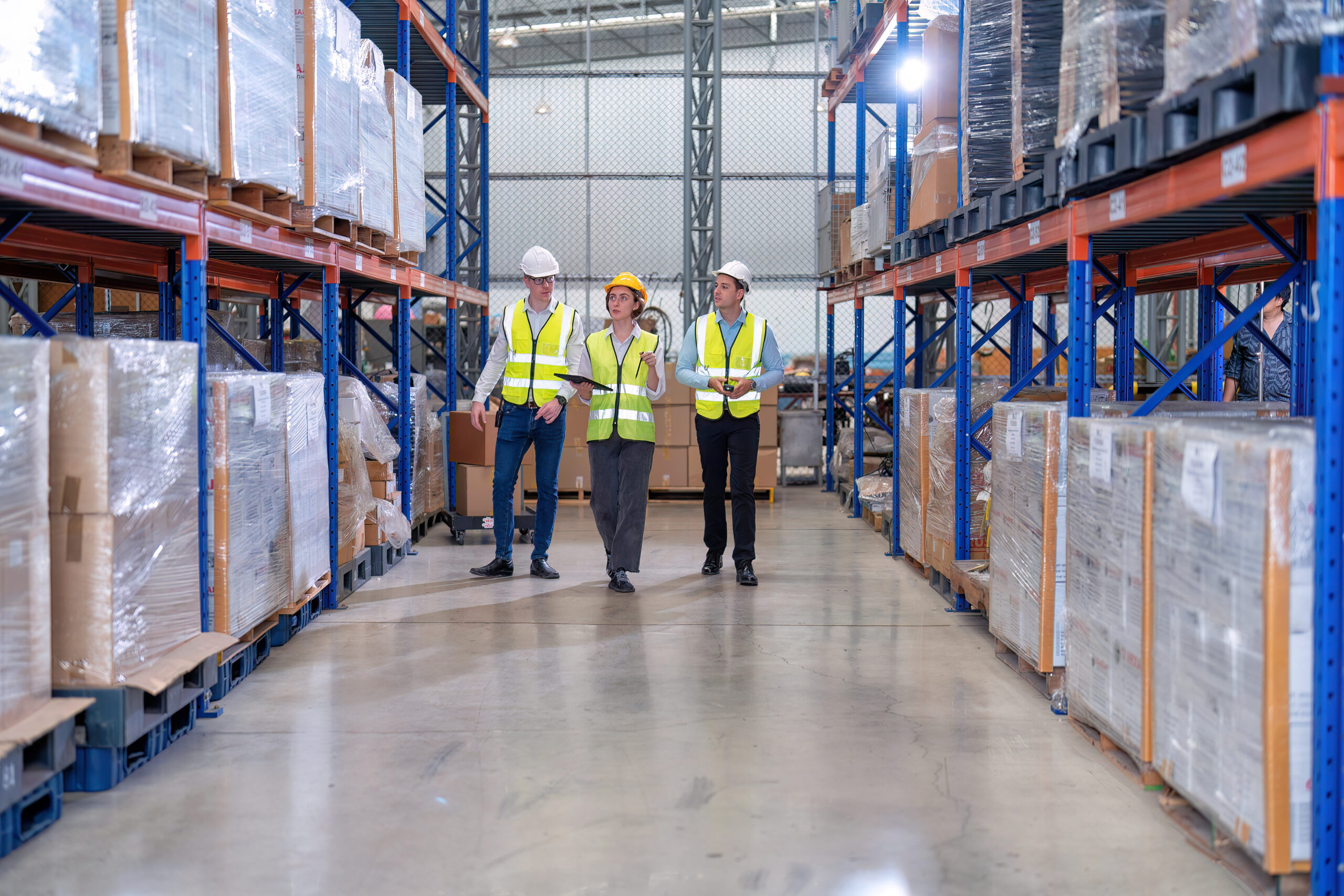
As Chip and Steve walked through the Pretty Products facility with Norma Ruble, the conversation quickly moved beyond pallet purchasing. Norma pointed out used pallets accumulating throughout the operation and began asking practical questions.
- Could anything be done with the used pallets?
- Could some of them be repaired?
- Could material be reused instead of thrown away?
Again and again, the answer was simple:
“Yes, we can do that.”
Looking back decades later, what stands out most about the interaction is not a formal recycling plan or sophisticated business strategy. Neither existed at the time.
What mattered was their willingness to slow down, walk the plant firsthand and examine the issue through the customer’s perspective rather than forcing a predefined solution.
That practical, collaborative approach would eventually shape Millwood’s philosophy around operational partnership, continuous improvement and the development of solutions that supported long-term customer performance.
Learn more about Millwood’s Story here.
A Collaborative Discovery
As Chip and Steve examined the facility together, they began recognizing the flawed perspective plaguing operations across the manufacturing industry: damaged pallets were not simply a disposal issue.
With the right sorting, pallet repair and pallet recovery process, many used pallets could be recovered, repaired and returned to service rather than discarded as waste.
What began as one customer’s manufacturing issue revealed a wider opportunity to help companies reduce waste, reclaim value and operate more efficiently.
Without fully realizing it at the time, that customer walkthrough marked the start of a new chapter in the recycled pallet industry.
Prioritizing the Customer, Working Alongside Them
Today, recycled pallets, pallet recovery programs and pallet management solutions are common throughout manufacturing and distribution operations. Companies regularly evaluate pallet reuse strategies, waste reduction goals and broader sustainability initiatives as part of long-term planning.
For Chip and Steve, however, the opportunity did not begin with a business trend. It began with a customer need.
Their early pallet recovery work serving customers like Pretty Products helped establish a long-term mindset centered around reuse, operational efficiency and responsible material management long before those ideas became industry talking points.
It also reinforced something else that would continue shaping Millwood’s growth over the decades that followed:
The strongest partnerships are often built by walking alongside customers and solving problems together.
What began as a customer conversation around pallet waste would eventually become part of the foundation for a larger partnership built around serving customers well and solving manufacturing and supply chain issues over the long haul.
In 1996, Chip Trebilcock and Steve Miller joined together to form Millwood, Inc., bringing together their shared operational mindset, customer-first philosophy and long-term commitment to serving others well.
From Recycled Pallets to Packaging Science
The pallet industry has evolved dramatically since those early days.
Modern supply chains now involve far more complex demands tied to transportation, automation, sustainability, procurement and unit load optimization. Pallets are no longer viewed as isolated shipping platforms. They are part of larger systems that directly impact product protection, warehouse efficiency and overall supply chain performance.
Today, Millwood continues building on the same operational mindset that shaped those early recycled pallet efforts through Packaging Science, pallet lifecycle management and unit load optimization initiatives, sorting more than 60 million used pallets each year.
Rather than viewing pallets as simple commodities, Millwood works with customers to evaluate how pallets interact with product loads, stretch wrap systems, warehouse environments and transportation conditions across the entire supply chain.
This systems-based approach helps customers improve operational efficiency, reduce waste, strengthen sustainability initiatives and optimize long-term unit load performance.
While the tools and technologies have evolved significantly, the underlying philosophy has remained remarkably consistent:
- Listen carefully.
- Understand the operational challenge.
- Build practical solutions that improve long-term performance.
The same pillars continue to guide Millwood’s approach to recycled pallets, pallet recovery, strategic sourcing and sustainable pallet solutions today.
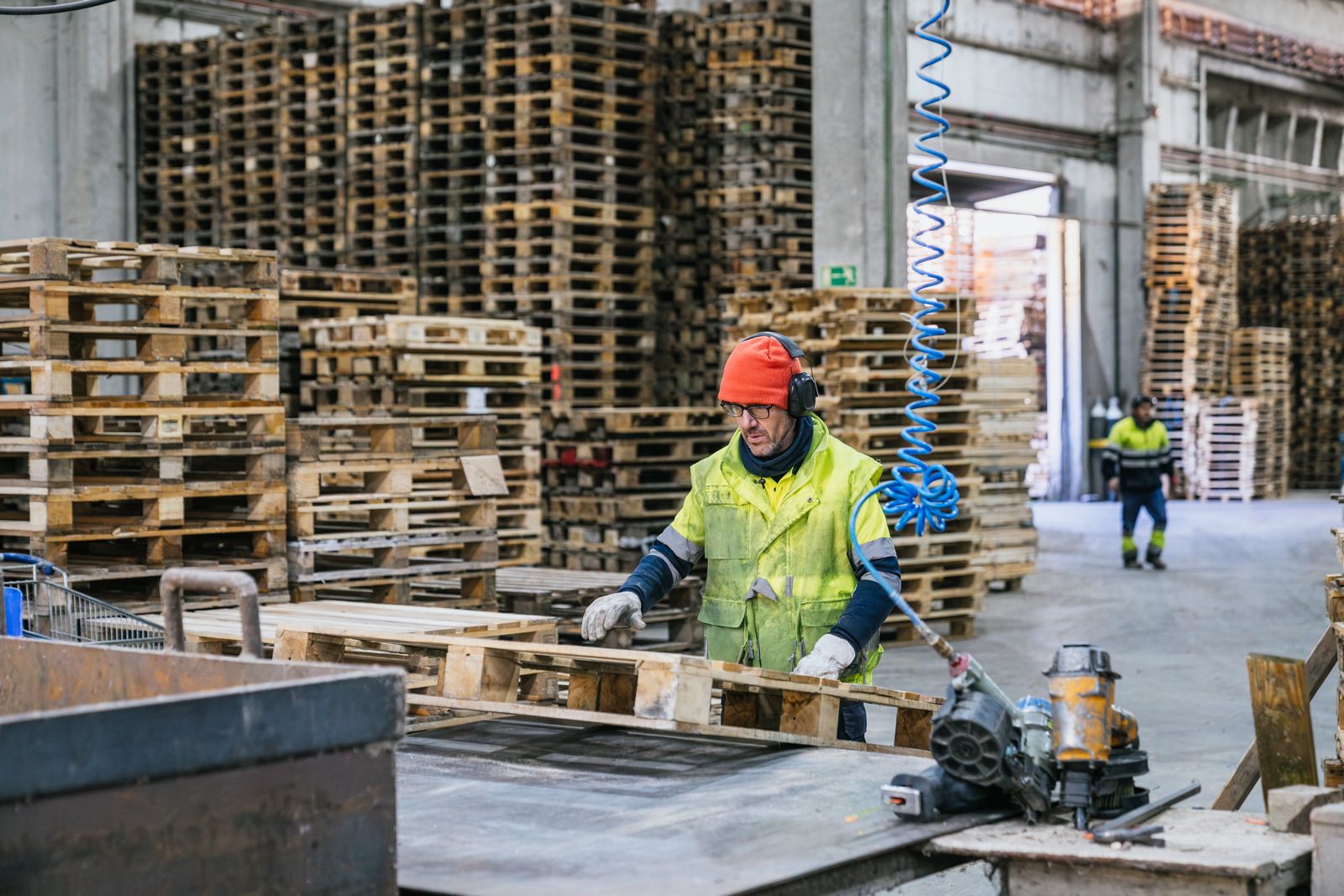
The Same Philosophy Still Drives Millwood Today
The story of Pretty Products, Norma Ruble, Chip Trebilcock and Steve Miller is not simply the story of how Millwood entered the recycled pallet business.
It is the story of how customer needs helped shape a long-term philosophy of operational problem solving.
What began as a conversation about pallet waste eventually established an approach centered around pallet recovery, pallet reuse, operational efficiency and continuous improvement – principles that continue guiding Millwood decades later.
Today, whether the challenge involves recycled pallets, Packaging Science, pallet lifecycle management, custom crating, pallet management solutions or broader unit load optimization, the goal remains the same:
Help customers build practical solutions that support long-term operational success.
Connect With Millwood
Millwood helps manufacturers and supply chain leaders improve operational efficiency through recycled pallets, pallet lifecycle management, Packaging Science and integrated supply chain solutions designed for long-term performance.
Connect with our team to learn how Millwood can help support your pallet recovery, pallet repair, pallet reuse and operational improvement initiatives.