

Packaging Science and the True Cost of Pallet Performance
Why the Lowest Cost Pallet Does Not Always Create the Lowest Operational Cost
Discover how custom pallet design and Packaging Science help reduce product damage, operational disruption and long-term pallet cost.
May 26, 2026
7 Minute Read
Table of Contents

Josh Stipanovich
Josh serves as Communications Manager at Millwood, overseeing internal and external communications to ensure the company’s mission and message are delivered clearly and consistently. He leads initiatives ranging from company-wide communications and website content to PR, trade show promotions, and sales support materials. Since joining Millwood in 2014, he has played a key role in major projects including the company rebrand, website redevelopment, and HubSpot launch.
Stay Up To Date
Click the button below to recieve a collection of the latest case studies, articles and resources in Millwood’s newsletter in your inbox each month.
“A pallet that performs well in one environment may behave very differently once exposed to automation systems, extended transportation routes or changing load conditions.”
“At Millwood, the goal is not simply to supply pallets that meet a specification. The goal is to help customers build cost effective pallet solutions that support reliable performance, operational efficiency and long term confidence across the full distribution environment.”
Table of Contents

When pallets fail, valuable products are damaged. Loads shift during transportation. Warehouse teams deal with disruptions, delays and recurring frustration as operations slow and product movement becomes less predictable. The cause of the failure is not always obvious, but the problem has to be solved quickly before the operational impact spreads further.
In many situations, the first questions seem straightforward. Did we buy the wrong pallet? Did the manufacturer cut corners to save a few cents? Are pallets being handled too aggressively by forklifts or warehouse equipment? Sometimes the answer may involve one of these factors. In many cases, however, the root cause is more difficult to identify.
What makes these situations especially frustrating is that many organizations believe they are already making informed pallet purchasing decisions. The pallet specification may match current requirements. Approved suppliers are in place. Yet once pallets enter real world distribution environments, performance issues begin to surface.
In some cases, the issue may be related to pallet quality or handling conditions. In many others, the problem is more complex. Pallets are often evaluated separately from the products, handling systems and transportation environments they are expected to support. Procurement Teams may succeed in controlling upfront pallet costs while operations Teams continue dealing with instability, disruption and inconsistent performance once those pallets enter the field.
This disconnect creates frustration across the organization because both sides appear to be doing the right things. Procurement Teams are focused on controlling cost and maintaining supply continuity. Operations Teams are focused on keeping products moving efficiently and avoiding disruptions throughout the facility. Yet without understanding how pallets perform under actual distribution conditions, hidden operational costs can continue building downstream.
This is why Packaging Science is required to provide visibility into the total cost of ownership (TCO) for pallet programs.
The lowest upfront pallet price does not always create the lowest long term operational cost. Packaging Science helps organizations evaluate whether a pallet is designed to perform for the products, handling systems and transportation conditions it will actually encounter. At Millwood, this approach combines custom pallet design, field experience and package integrity testing to help customers build cost effective pallets that support reliable performance and long term operational confidence.
Why Packaging Decisions Often Focus on the Wrong Costs
In many organizations, pallet purchasing decisions are measured by visible and immediate metrics such as unit price, specification consistency and supplier reliability. These priorities matter because procurement Teams are responsible for controlling cost and maintaining continuity across large purchasing programs.
Operations Teams experience pallet performance differently. Their success is measured by efficiency, stability and the ability to keep products moving reliably through the warehouse and distribution environment. When pallets become unstable or inconsistent, the operational impact is immediate. Delays increase. Additional handling becomes necessary. Product movement becomes less predictable.
The challenge is that these outcomes are closely connected, even when the decisions behind them are managed separately.
As Ralph Rupert, Manager of Unit Load Technology at Millwood, observes, “It’s very siloed.” Procurement, operations and packaging decisions are often managed independently, even though all three directly influence pallet performance once products move through the distribution environment.
A pallet may technically meet specification requirements while still struggling under the conditions it encounters in storage, transportation and handling. Procurement may see successful upfront savings while operations absorb the downstream impact of instability, damaged product or recurring disruptions.
This does not mean procurement Teams are making poor decisions or operations Teams are overreacting. In many cases, both groups are working with limited visibility into the difference between upfront pallet pricing and long term operational cost.
Packaging Science helps to unite these perspectives by evaluating pallet performance within the broader distribution environment. Instead of focusing only on pallet price, the goal becomes understanding how pallet design affects operational performance over time and whether the pallet is truly designed for the realities of the application it supports – in other words, accounting for total cost of ownership over the life of the pallet program.
The Hidden Costs Most Organizations Never Measure
The true cost of pallet performance – the TCO – is rarely limited to the upfront purchase price. In many operations, the larger costs appear later through instability, inefficiency and disruption across the distribution environment.
Product Damage and Load Instability
When pallets are not properly matched to the products and conditions they support, load instability can develop during transportation and handling. Small amounts of movement during vibration or forklift interaction can gradually lead to damaged packaging, shifting loads and product loss.
In many cases, the pallet itself may not visibly fail. Instead, the entire load becomes less stable over time, creating recurring issues that are difficult to isolate without understanding how the system behaves during distribution.
Downtime and Operational Disruption
Pallet performance issues can slow operations throughout the warehouse and distribution environment. Unstable loads may require additional handling attention. Damaged pallets can interrupt automated systems or create delays during storage and transportation.
Even small interruptions can create meaningful operational costs when they occur repeatedly across multiple shipments or facilities. Over time, these disruptions may cost far more than the original pallet savings.
Reduced Pallet Lifespan
When it comes to reusable pallet engineering, long term durability also affects overall cost. A pallet that fails earlier than expected may increase repair frequency, replacement costs and operational inconsistency across the supply chain.
In some environments, pallets may technically meet specification requirements while still wearing down too quickly for the handling systems and transportation conditions they experience every day. Packaging Science helps organizations evaluate pallet design around actual application demands, not just initial purchase price.
Over Engineering and Material Waste
When pallet performance issues continue occurring, organizations often respond by increasing material thickness, adding reinforcement or moving toward heavier pallet designs. While these changes may appear to improve performance, they can also increase cost without addressing the true source of the issue.
In many situations, the problem is not simply that the pallet is too weak – it’s that the pallet was never designed around the specific handling environment and transportation conditions it needed to support.
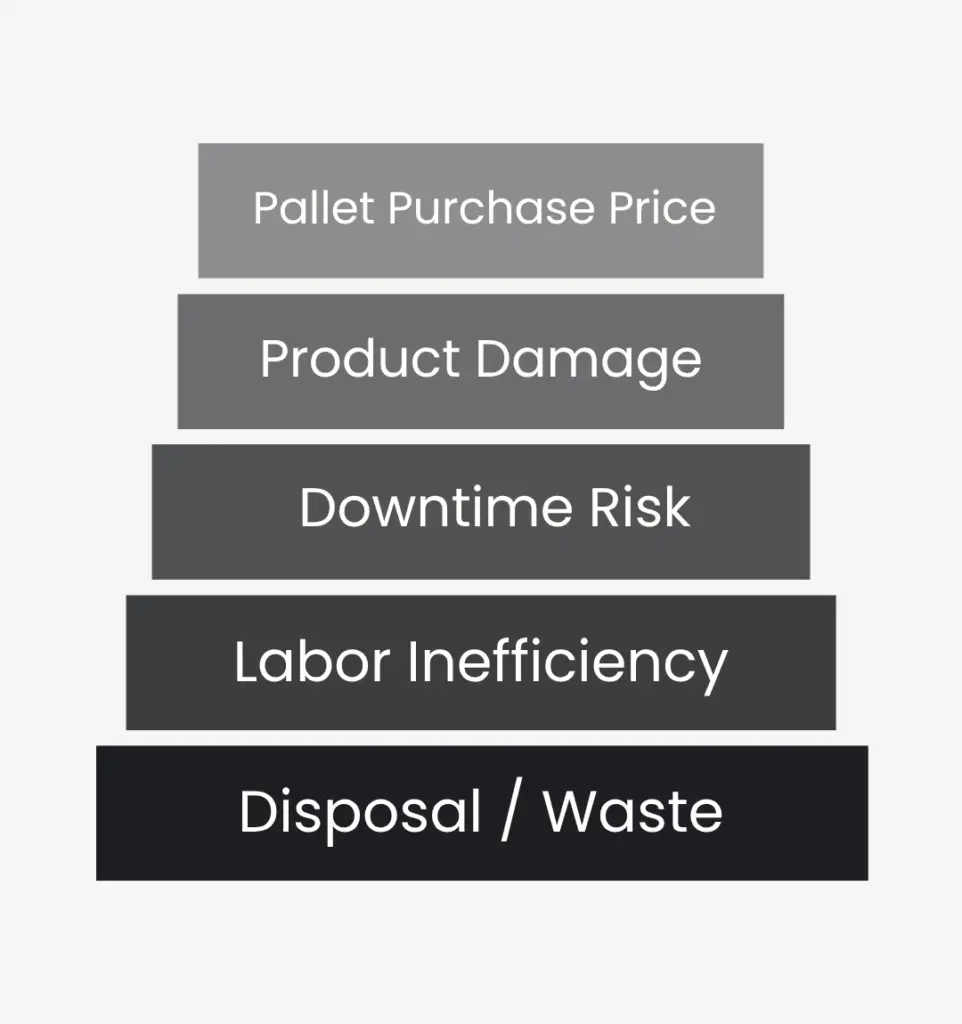
Upfront price is only part of the total cost.
Why Packaging Science Takes a System Level Approach to Pallet Performance
Pallets are foundational to the unit load system, but pallet performance is rarely determined by the pallet alone. Once products move into storage, transportation and handling environments, pallet behavior becomes closely connected to the broader system around it.
Stretch wrap application, load configuration, handling equipment, rack systems and transportation forces all influence how a pallet performs during distribution. A pallet that performs well in one environment may behave very differently once exposed to automation systems, extended transportation routes or changing load conditions.
Ralph Rupert, who has spent decades studying how pallets, packaging and material handling systems interact through distribution environments, and who previously directed the Pallet and Container Research Lab at Virginia Tech, puts it this way: “It’s not just the pallet. It’s the stretch wrap, the corner boards and the other components that go along with that.”
This system-level understanding is central to Packaging Science. Rather than evaluating pallets as isolated components, Packaging Science examines how pallets interact with the products, packaging materials and handling systems they are expected to support.
That perspective often changes how performance problems are interpreted. Instead of assuming a pallet failure automatically requires more material or a larger pallet design, Packaging Science helps identify where and why instability is occurring in the first place.
“A pallet that performs well in one environment may behave very differently once exposed to automation systems, extended transportation routes or changing load conditions.”
Packaging Science at Millwood
At Millwood, under Ralph’s leadership, custom pallet design and package integrity testing help teams better understand how pallets behave under stress. Testing and field analysis reveal how vibration, compression and handling forces move through the load and where instability is most likely to occur.
The goal is not simply to build stronger pallets. The goal is to design pallets that perform reliably and cost effectively under the conditions they are actually expected to face.
Use Case: Solving a Pallet Performance Problem Without Adding More Material
A national aluminum manufacturer was experiencing recurring product damage during transportation between facilities. Thin aluminum rolls stacked on pallets were shifting during transit, creating instability and damaging product before it reached the customer.
At first, the assumption was straightforward: the load needed more containment material. The organization began exploring heavier stretch wrap in an effort to improve stability during transportation.
Later, through Millwood’s ISTA-certified Packaging Science Lab, the issue was evaluated more closely. Rather than focusing only on the pallet or adding additional material, the Team examined how the customer’s entire load system behaved under transportation conditions.
Testing and analysis revealed that the issue was not simply the amount of stretch wrap being used, but how the wrap was being applied across the load.
As Ralph Rupert recalls, “They would wrap a lot on the bottom and a lot on the top. But the middle got left out.”
Because containment strength was concentrated at the top and bottom of the load, the center layers were shifting during transportation. By adjusting the wrap pattern to create more consistent containment throughout the load, stability improved without requiring significantly heavier material.
In other words, the solution did not come from simply adding cost or increasing pallet strength. It came from understanding how the pallet, product and containment system interacted under real world distribution forces.
Learn more about the way package integrity testing helps identify hidden performance risks across the unit load system.
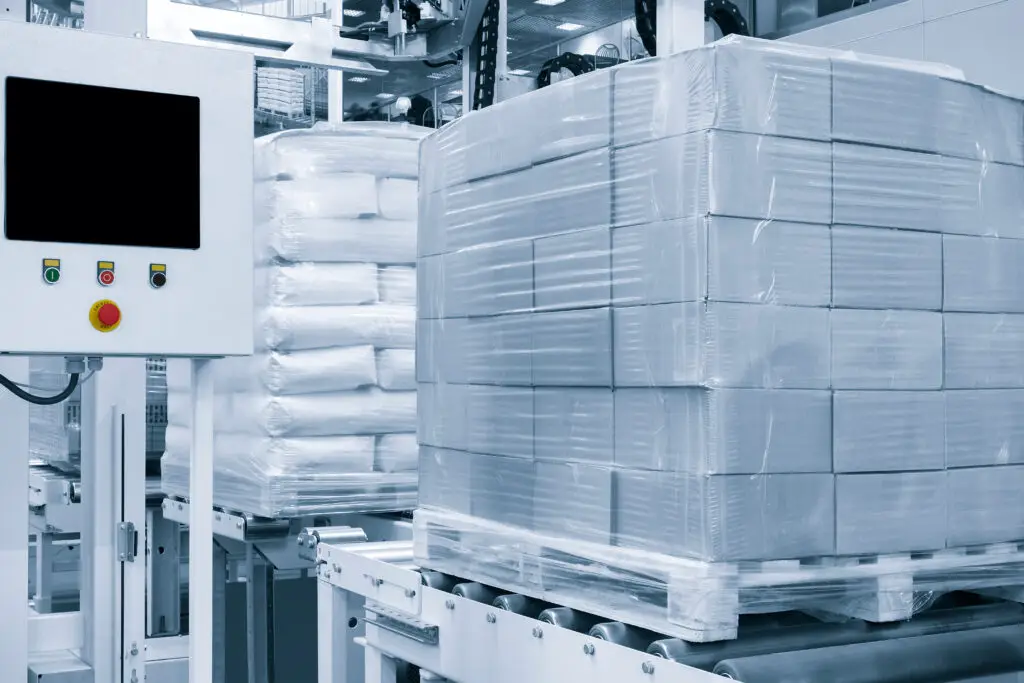
Changing stretch wrap application patterns improved load stability without requiring significantly heavier material.
Why Over Engineering Can Be Just as Costly as Pallet Failure
When pallet performance issues continue surfacing, the natural reaction is often to add more material. Thicker deck boards, heavier pallet designs and additional reinforcement may appear to create a safer solution.
In some situations, increased strength is necessary. In many others, however, over engineering simply shifts cost into another part of the system without fully solving the underlying issue.
Heavier pallets increase material usage, transportation weight and overall packaging cost. Additional containment materials may improve short term stability while masking larger problems related to load configuration, handling conditions or pallet design.
Packaging Science helps organizations move beyond the assumption that stronger always means better. Instead, the focus shifts toward identifying the right fit pallet system for the products, handling methods and transportation conditions involved.
The strongest pallet is not always the most effective pallet. The most effective pallet is the one designed to perform consistently within the realities of the environment it supports.
This is why pallet design decisions should begin with understanding the application itself. Product weight, transportation methods, handling equipment, storage systems and expected pallet lifespan all influence what type of pallet is actually appropriate.
For example:
- Is the pallet supporting lightweight consumer goods or high value industrial equipment?
- Is the pallet intended for one way shipping or long term reuse?
- Will the pallet move through automation systems, rack storage or extended transportation routes?
- Does transportation weight significantly affect freight cost?
- Is the pallet configured correctly for the handling and distribution environment it will face?
These questions often reveal that the right pallet solution is not necessarily the heaviest or least expensive option. The right solution is the one designed around the realities of the specific application.
Better Pallet Performance Starts With Understanding the System
The key takeaway from this discussion is this: pallet performance problems are not always caused by a single, obvious failure point. In many cases, instability develops because pallets, products, handling systems and transportation conditions are not fully aligned around the complex realities of the distribution environment.
Packaging Science helps organizations better understand these interactions before recurring operational problems lead to unnecessary cost, disruption or product damage. By combining custom pallet design, field experience and package integrity testing, companies can gain greater confidence that their pallets are designed to perform for the specific demands of their products, handling methods and distribution environments.
At Millwood, the goal is not simply to supply pallets that meet a specification. The goal is to help customers build cost effective pallet solutions that support reliable performance, operational efficiency and long term confidence across the full distribution environment.
Have questions about pallet performance or recurring load instability? Our packaging specialists would love to connect, learn about your challenges and help you explore the right solution for your products, handling systems and distribution environment.
“At Millwood, the goal is not simply to supply pallets that meet a specification. The goal is to help customers build cost effective pallet solutions that support reliable performance, operational efficiency and long term confidence across the full distribution environment.”
Share:

Have questions about your packaging system?
Our packaging specialists work with customers to understand how pallets, packaging and handling forces interact in real-world distribution. Whether you are troubleshooting an issue or evaluating performance before product enters the field, we are here to help you think through the right solution.
Related Articles

Josh Stipanovich
Josh serves as Communications Manager at Millwood, overseeing internal and external communications to ensure the company’s mission and message are delivered clearly and consistently. He leads initiatives ranging from company-wide communications and website content to PR, trade show promotions, and sales support materials. Since joining Millwood in 2014, he has played a key role in major projects including the company rebrand, website redevelopment, and HubSpot launch.
Stay Up To Date
Click the button below to recieve a collection of the latest case studies, articles and resources in Millwood’s newsletter in your inbox each month.