Pallet safety starts with the pallet itself, not just how it is handled. Pallet design, condition and storage practices all determine risk. This article covers inspection criteria, handling techniques, stacking regulations and how proactive pallet quality reduces incidents.
Pallet-related injuries are among the most common warehouse incidents. They are also among the most preventable. Most pallet safety suggestions stop at “wear gloves and lift with your legs.” That’s helpful, but more than 40 years of experience have taught us it’s not enough.
The real story starts upstream: the quality, design and condition of the pallet itself determines how safe it is to handle.
A pallet with cracked deck boards behaves differently under load than one engineered for the application. A stack that exceeds fire code limits creates a different risk profile than one stored according to NFPA standards.
As much as reading this on a webpage makes it feel abstract, the truth is that these issues show up in incident reports, workers’ compensation claims and operational downtime. When the pallet is wrong for the job, even the best-trained Team Members are working against a disadvantage they did not create. Those issues – which could be prevented proactively – are exactly what this article addresses.
Millwood handles more than 500,000 pallets every day across dozens of facilities in North America. That volume has taught us where pallet safety breaks down and what actually prevents it. This article shares that operational perspective: practical, grounded guidance built on more than four decades of experience with warehouse pallet safety.
Why Pallet Safety Starts Before the Warehouse Floor
When an incident occurs, attention usually goes to the handler. Did they lift correctly? Were they wearing PPE? Were they rushing? These questions certainly matter. Sometimes that is exactly where the problem stems from. However, as we were just saying, they overlook a critical variable that subtly can be even more insidious in a warehouse: the pallet itself.
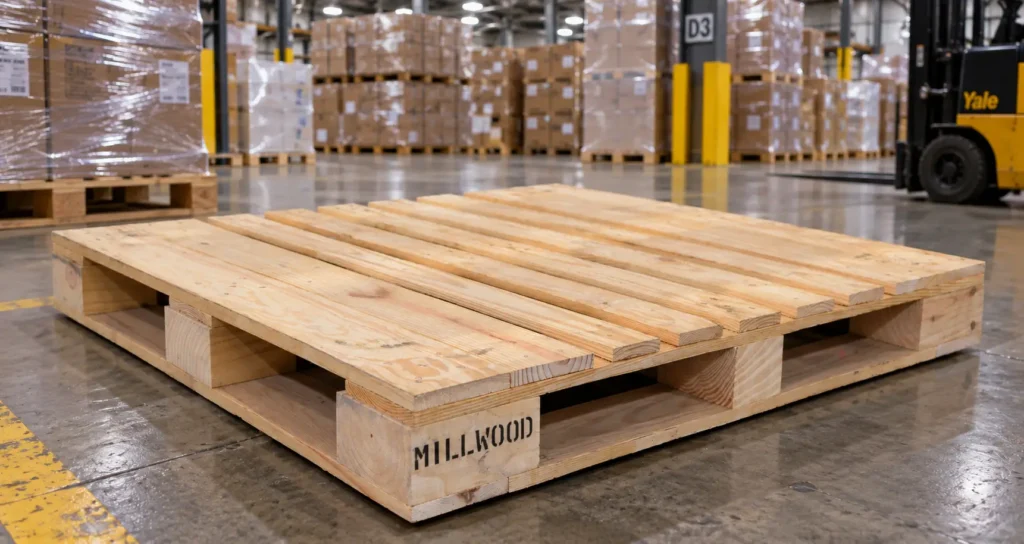
Pallet design decisions directly affect handling risk. Think about it this way: board thickness determines whether a deck board holds under load or cracks underfoot. Fastener type influences whether nails stay flush or work their way out over time, creating puncture hazards for hands and feet. Pallet configuration affects entry points, weight distribution and stability during movement. Those factors have everything to do with the pallet and little to do with the handler.
You may have recently discovered that a Team Member’s hand was punctured by a nail that had worked its way up through a thin deck board. The handler did everything right. The pallet did not. Now your Team Member and your company pay the consequences.
How to Identify an Unsafe Pallet
Not every pallet that looks worn is unsafe and not every pallet that looks acceptable is structurally sound. The distinction between cosmetic wear and structural compromise is one of the most important judgment calls in damaged pallet identification.
For instance, a scuffed deck board may function perfectly well under load. A hairline crack along the grain, on the other hand, can give way without warning when weight is applied. So, how do you identify a safe pallet since looks can be deceiving?
Clear criteria help teams make that call consistently:
- Cracked or split deck boards that reduce load-bearing capacity.
- Protruding or missing nails and fasteners.
- Missing or broken blocks or stringers.
- Excessive moisture absorption or visible rot.
- Chemical contamination or unknown staining.
With these criteria in mind, it’s important to note that recycled pallets are not automatically less safe than new pallets. A recycled pallet that meets quality standards and passes inspection can perform just as reliably as a new one.
What matters is whether a pallet selected for your operation meets the structural requirements of the application, not whether it has been used before. The fact is that pallet inspection protocols matter more than pallet age.
Safe Pallet Handling Practices
Once pallet quality and condition are accounted for via the criteria above, handling technique becomes the next line of defense.
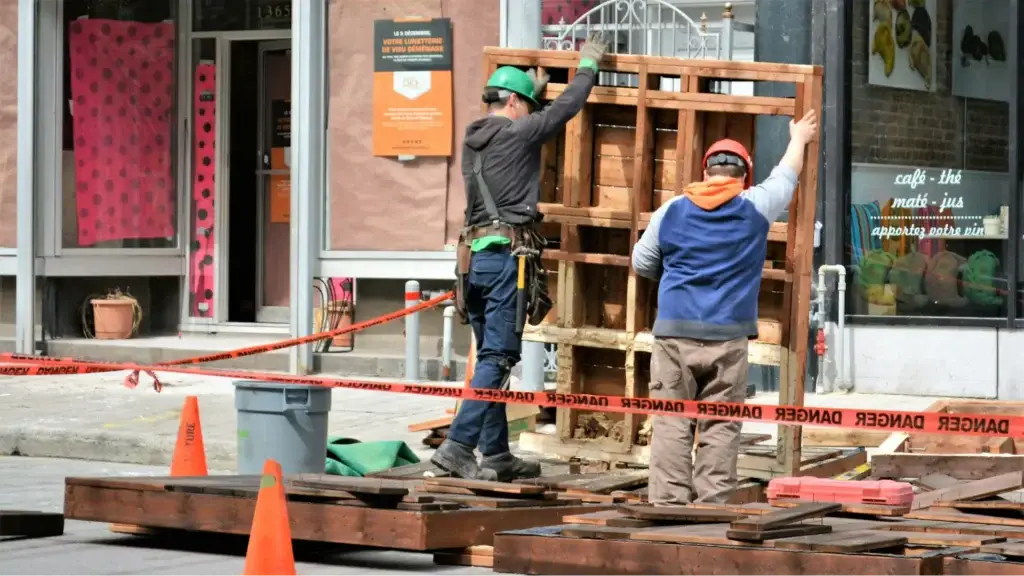
A pallet that passes inspection can still cause an injury if it is lifted incorrectly, moved too fast or engaged at a bad angle. Every warehouse supervisor has watched a Team Member try to muscle a pallet solo when it clearly needed two people. Handling practices bridge the gap between a good pallet and a safe outcome.
Manual Handling
Manual pallet handling accounts for a significant portion of warehouse musculoskeletal injuries. The National Institute for Occupational Safety and Health (NIOSH) has documented the connection between repetitive manual lifting and disorders of the back, shoulders and upper limbs.
These are often preventable if your Team follows these key practices:
- Avoiding twisting while carrying or lifting.
- Sliding rather than carrying where floor conditions allow.
- Team lifts for pallets exceeding individual handling capacity.
- Bending at the knees and keeping the load close to the body.
Encouraging Team Members to follow these practices helps to lower the risk of pallet-related injuries they might experience, not to mention the damage and waste that your company may experience as a result.
Mechanical Handling
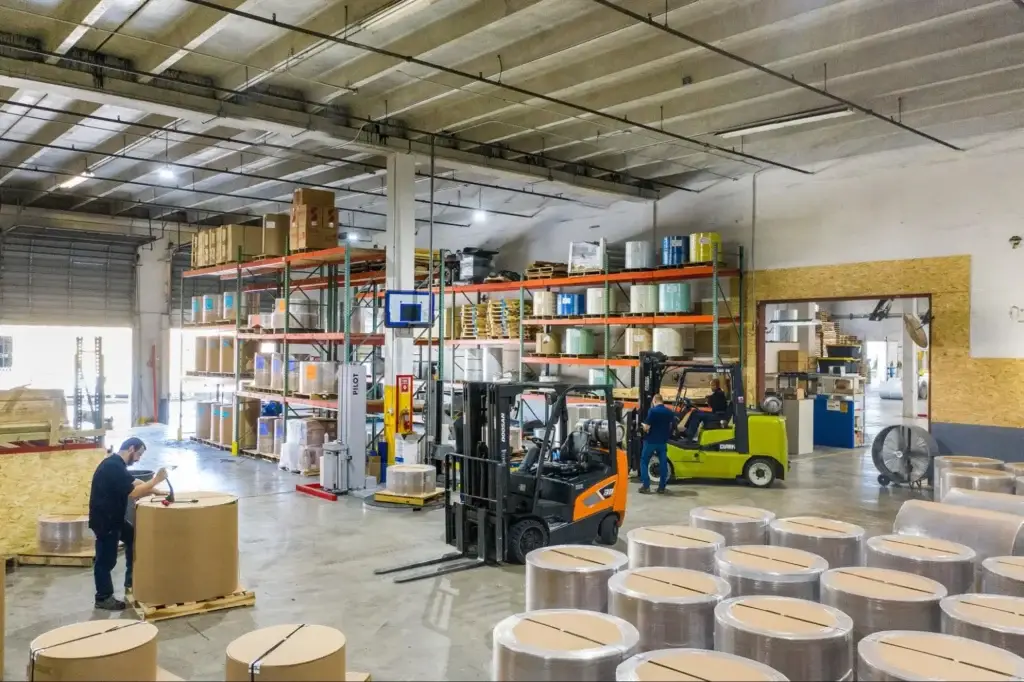
Forklifts and pallet jacks introduce their own safety considerations.
Think about it this way: Fork placement strongly affects load balance. The approach angle determines whether the pallet is engaged cleanly or whether deck boards are damaged on entry. If a Team Member speeds through intersections and around stacked pallets, small errors start to stack up into a larger problem. A forklift operator moving quickly through a turn with forks slightly off-center can crack a stringer and create the exact structural weakness that causes a failure later that day.
Addressing this kind of mechanical handling ahead of time can save you headaches later.
Personal Protective Equipment
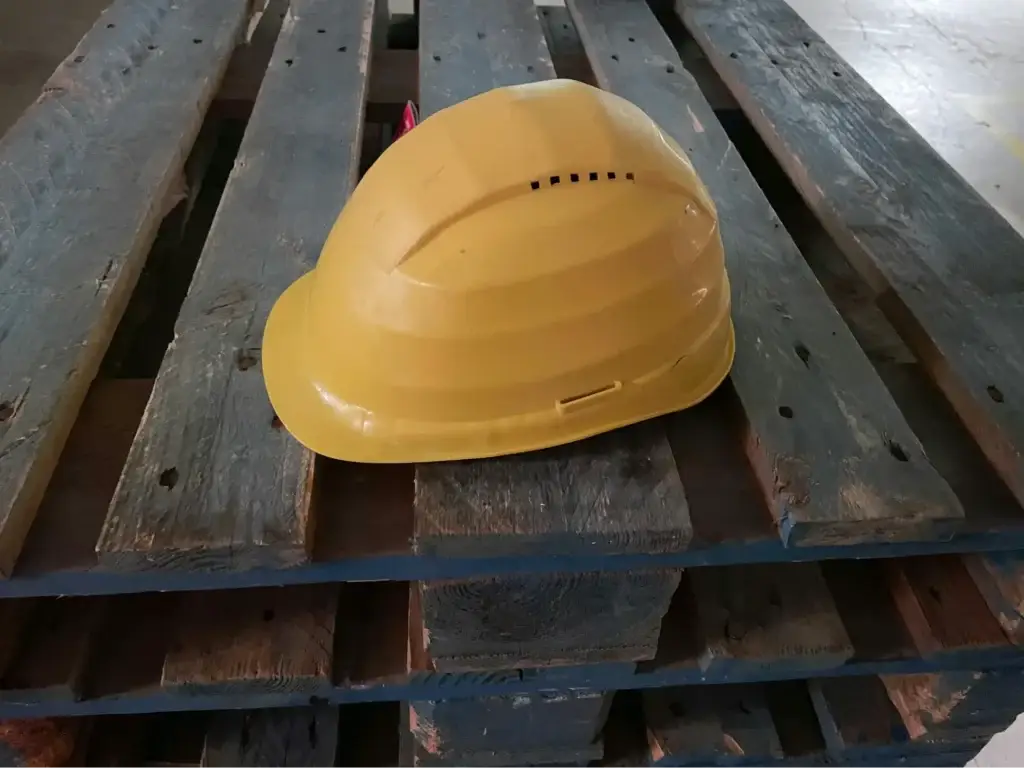
PPE forms the last line of defense in safe pallet handling. It does not prevent incidents outright, but it can reduce their severity when handling does not go as planned. At minimum, pallet handling best practices call for:
- Steel-toed boots to protect against dropped pallets.
- Cut-resistant gloves to guard against splinters and exposed fasteners.
- Safety glasses for any disassembly or repair work.
Consider the operator whose steel-toed boot absorbed the impact of a pallet that slipped off a jack. That single piece of equipment prevented a broken foot and weeks of lost time. Illustrations like this demonstrate that PPE always works best when it is treated as non-negotiable rather than optional.
Another non-negotiable Millwood applies across all of our operations: never stand on a pallet.
Pallets are engineered to distribute weight across their full deck surface. A person’s weight concentrated on one or two boards creates imbalanced load points the pallet was not designed to support. Clear aisles near stacked pallets can also reduce risk by ensuring safe equipment approach and emergency egress.
Pallet Stacking and Storage Safety
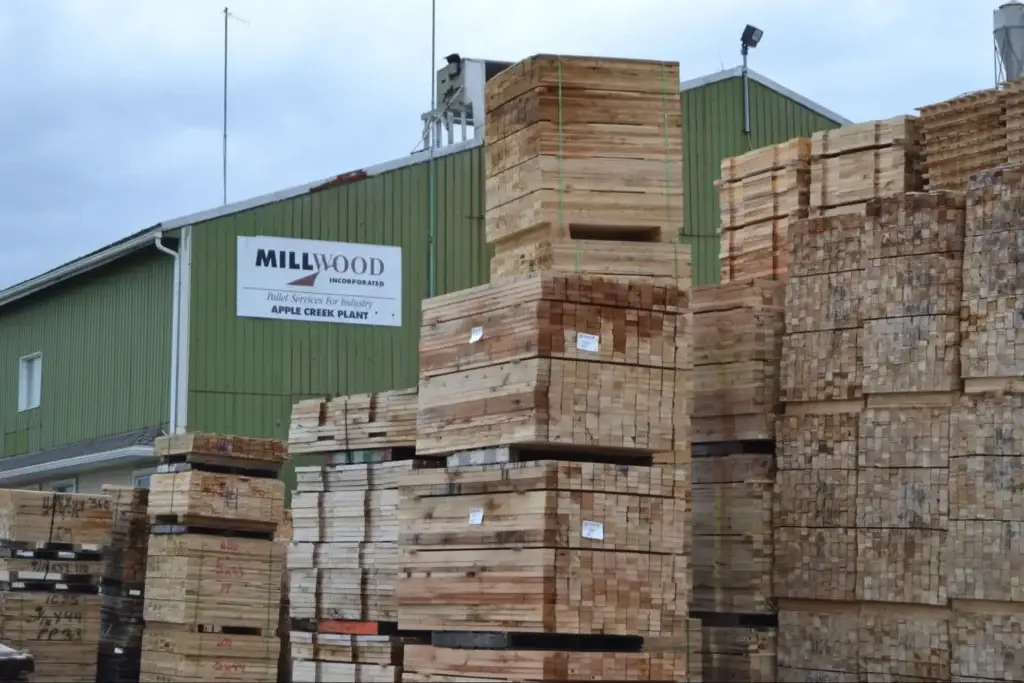
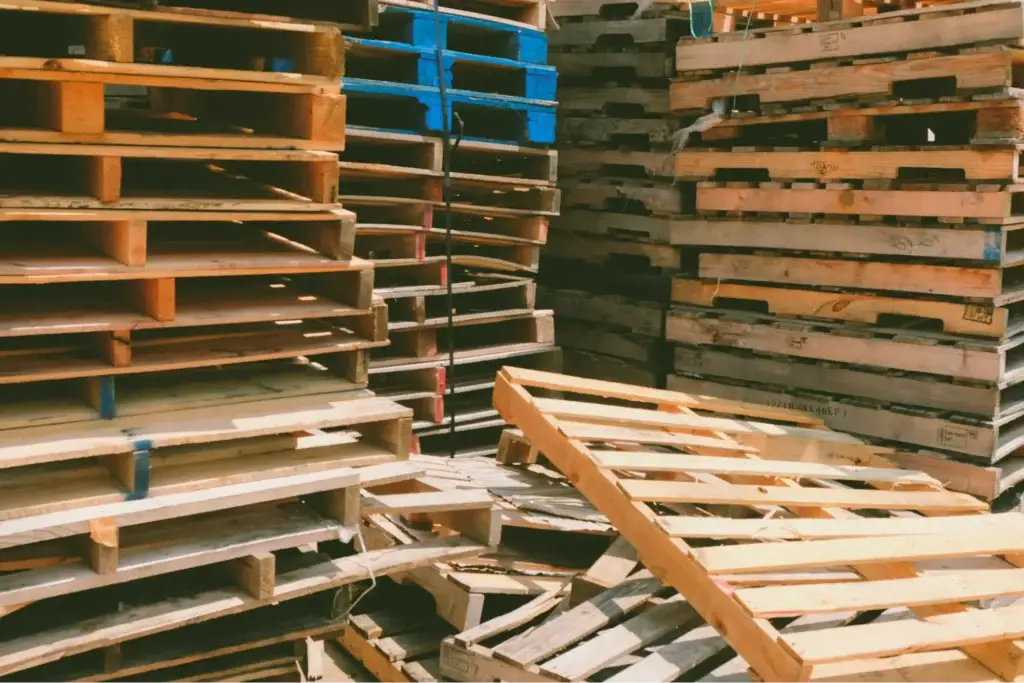
Pallets not in active use still can create risk. In fact, idle pallets may represent one of the most overlooked hazards in a warehouse simply because they appear unimportant and harmless. A stack of empty pallets seems harmless until a forklift clips it, floor settling shifts the base or a fire finds fuel in a 12-foot column of dry wood.
Two types of standards govern how pallets should be stored: federal workplace safety regulations and fire codes. They address different aspects of the same problem, and understanding both keeps an operation protected from collapse risk and fire risk simultaneously.
OSHA: The Stability Standard
OSHA standard 29 CFR 1910.176(b) requires that materials stored in tiers be “stacked, blocked, interlocked and limited in height so that they are stable and secure against sliding or collapse.” Notice what OSHA does not provide: a specific number. There is no federal height limit from OSHA for pallet stacking. The requirement is stability, which means the burden falls on each operation to evaluate its own conditions and stack accordingly. If you’re looking to increase pallet safety in your company, stability may be a crucial aspect to consider.
NFPA: The Fire Safety Standard
While OSHA focuses on structural stability, the NFPA 1 Fire Code addresses fire risk specifically. The code limits idle and empty pallet stacks to 15 feet in height. Stacks must also maintain at least 8 feet of separation and be arranged for stability. Sprinkler clearance adds yet another layer: most fire codes mandate at least 18 inches between the top of any stored material and sprinkler heads to ensure proper activation and spray distribution.
Together, these requirements create a framework. OSHA says “keep it stable.” NFPA says “keep it under 15 feet and away from sprinklers.” Local fire marshals may add further restrictions. The practical ceiling in most operations is whichever standard is most restrictive. Put all these pieces together, and you’re well on your way to greater pallet safety.
Stacking Patterns
How pallets are oriented within a stack also affects safety. Two primary patterns are often best:
- Interlocked stacking alternates pallet orientation between layers, creating friction that resists lateral movement. More friction = less movement = more stability.
- Column stacking aligns pallets directly above one another, which can allow greater height but offers less lateral stability.
The right pattern depends on the pallet type, stack height and whether the storage area is subject to traffic vibration or equipment movement. A 10-foot column stack near a busy forklift lane, for instance, faces more lateral force than the same stack in a quiet corner. Assess your operation and choose what’s best.
Indoor vs. Outdoor Considerations
Indoor storage introduces fire and sprinkler considerations. Outdoor storage introduces moisture, UV degradation and wind. Both environments require planning to maintain structural integrity of pallets over time.
Keeping an eye on these factors makes all the difference in creating stronger success for pallet safety in your company.
Building a Simple Pallet Inspection Program
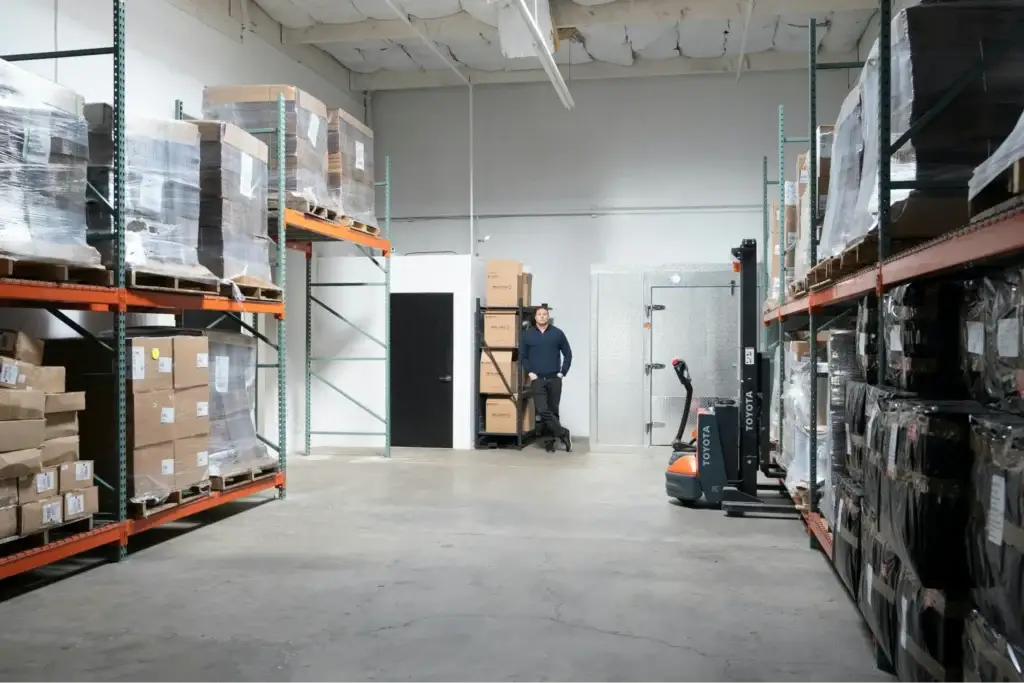
Knowing what makes a pallet unsafe is one thing. Catching it before that pallet enters the operation is another. That is the purpose of a pallet inspection program: a consistent process that identifies compromised pallets before they cause injuries, product damage or compliance issues. Identify the problem before it arises.
The good news is that an effective inspection program does not need to be complex. It needs to be consistent, clearly defined and supported by the Team Members who carry it out.
Who Inspects
Two inspection points provide the most coverage:
- Receiving dock: Catch problems before pallets enter the operation.
- Point of use: Verify condition at the moment the pallet is loaded.
Operations with high pallet volume may use statistical sampling at receiving and full inspection at point of use. The key is ensuring that no pallet is loaded without being evaluated at least once beforehand.
Defining “Failed”
Clear rejection criteria remove ambiguity and subjectivity that could create unwanted problems. When a Team Member identifies a cracked stringer or a protruding nail, they should know immediately whether to set the pallet aside for repair, route it for recycling or remove it from service entirely.
Practically speaking, the criteria outlined earlier (cracked boards, protruding fasteners, missing blocks, moisture, contamination) provide a practical starting point that most operations can adopt immediately.
Documentation
Pallet inspection documentation supports compliance with OSHA’s General Duty Clause, which requires employers to provide a workplace “free from recognized hazards.” A documented inspection program demonstrates due diligence and strengthens an operation’s position during an audit or investigation.
Documentation also provides trend data. If a specific supplier’s pallets fail at higher rates, that information supports a procurement conversation about quality standards and long-term safety performance.
The formula is straightforward: define criteria, assign responsibility, inspect consistently and document results. The outcome is fewer incidents, clearer compliance records and better data driving smarter purchasing decisions over time.
How Pallet Quality Decisions Reduce Long-Term Safety Risk
Safety incidents carry costs that extend well beyond the incident itself: medical expenses, workers’ compensation claims, operational downtime, OSHA investigations and the less measurable cost of Team Member confidence.
Reactive safety addresses these costs after they occur. Proactive quality addresses them before they happen.
So, what’s the biggest takeaway? Be proactive with pallet selection. The cheapest pallet upfront is rarely the safest pallet in practice. Thinner boards, lower-grade fasteners and configurations misaligned with the handling environment create cumulative risk that compounds over time.
Millwood’s Packaging Science approach can help you evaluate how pallets perform in the full context of your operation. Through testing in the Millwood Lab and precision engineering through Design Services, the Team helps customers align pallet quality with operational safety requirements. This is not about purchasing the most expensive pallet available. It is about purchasing the right pallet for the handling environment so that safety becomes a design feature rather than an afterthought.
As Millwood has observed across four decades and billions of pallets: there is no such thing as a standard pallet. Each operation requires a solution engineered to match its specific demands. When that engineering is done correctly, safety naturally follows.
What Is Packaging Science?
Packaging Science is the process of evaluating how pallets, packaging materials and products perform together as a complete unit load moving through the supply chain. Rather than examining the pallet in isolation, Packaging Science considers the full system: product, pallet, load stability, transportation conditions and handling environments.
Move Forward with the Confidence Pallet Safety Affords
Millwood helps customers align pallet quality standards with operational safety. From pallet inspection and stacking practices to selecting the right pallet for a specific handling environment, Millwood works with your operation to reduce handling risk and protect long-term performance.
Connect with Millwood to discuss pallet quality standards that reduce handling risk and protect your operation. Learn how Packaging Science and proper pallet design prevent safety issues before they reach the warehouse floor.