
When pallet purchasing decisions are made, the purchasing team often begins by requesting quotes on the pallet they are currently using. Sometimes that’s exactly what’s needed. Other times, however, the pallet being used today may not be the best fit for the application.
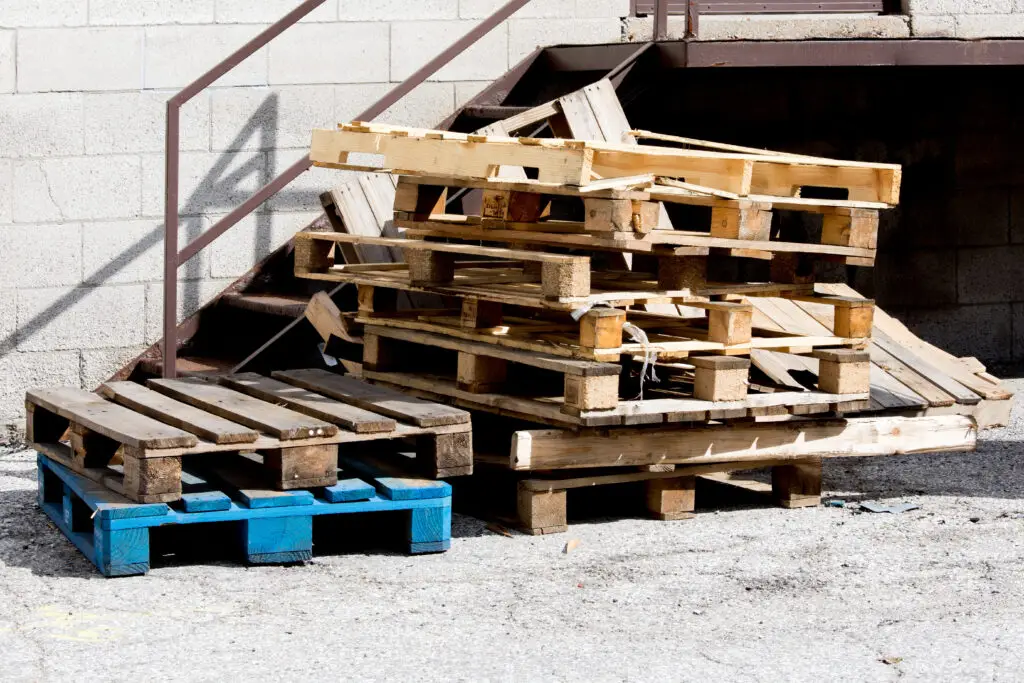
One manufacturer Millwood serves learned this firsthand. The pallet design they were using was the correct size, fit the product and moved through the operation, yet truckloads of damaged pallets were being discarded every week.
Eventually, the tens of thousands of dollars the company was spending each month in disposal costs became too much to justify. The expense demanded answers.
That’s why, when the customer reached out to Millwood for help, the conversation didn’t begin with pallet dimensions or pricing; it began with understanding the problem.
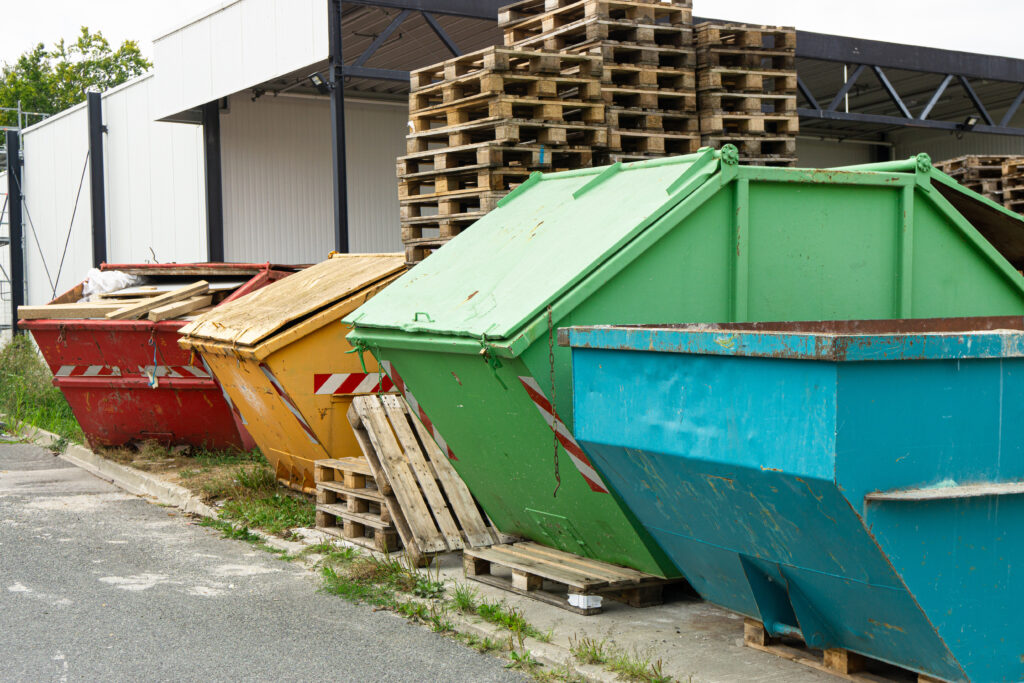
Millwood’s Team visited the operation and looked at how the pallets were being handled. They examined the waste: dumpsters upon dumpsters full of pallets.
These pallets were the right size. They just weren’t configured or designed correctly. The lumber being used wasn’t right for the application. The construction didn’t fit either. These subtle flaws meant their pallets were breaking long before they should have been.
Once Millwood understood the customer’s specific application and what they were trying to accomplish, the solution became clear. By matching the pallet design to the realities of their operation, the customer dramatically reduced waste, lowered disposal costs and improved overall pallet performance.
Stories like this reveal why it can be dangerous to view pallets as interchangeable commodities:
Two pallets can have the same dimensions and perform very differently. The right pallet depends on far more than measurements alone.
The product being shipped matters. The handling environment matters. Storage requirements matter. Transportation requirements matter. Material selection matters. Deck configuration matters.
Determining how a pallet should be configured and taking all of these factors into account is where the real work starts.
Whether a company is evaluating an existing pallet specification or developing a new pallet program, the goal remains the same: identify the right pallet for the application.
Millwood Starts With the Application, Not the Pallet
One of the biggest misconceptions in pallet procurement is the belief that pallet design starts with the pallet itself. In reality, it starts with the application.
At Millwood, pallet configuration begins by understanding what the customer is trying to accomplish.
- What product is being shipped?
- How much does it weigh?
- How is it handled?
- Where is it going?
- Will it be stored in racks?
- Will it move through an automated system?
- Will it be used once or reused multiple times?
The answers to these questions influence nearly every aspect of pallet design.
Some customers come to Millwood with a detailed specification they’ve used for years. Others are launching a new product, entering a new market or trying to solve an operational problem. In either case, understanding the application provides the foundation for making informed pallet engineering decisions.
A pallet carrying lightweight consumer goods may place significantly different demands on a pallet than a load of industrial components, even if both eventually use the same basic dimensions. Likewise, a pallet moving through an automated distribution center may require different design considerations than a pallet used in a traditional warehouse environment.
This is why Millwood approaches pallet design as part of a larger system rather than an isolated product. Our goal isn’t simply to identify a standard pallet size. It is to understand the application, determine the demands that will be placed on the pallet and configure a solution that delivers the performance those demands require.
How Product Requirements Influence Pallet Footprint
When discussing pallet design, many people immediately focus on dimensions.
That’s understandable. Dimensions are visible. They’re easy to measure. They’re often the first specification listed on a pallet drawing or purchase order.
But dimensions don’t exist in a vacuum.
As Millwood President Chip Trebilcock explains:
“Most of the time the footprint is determined by the customer’s product.”
That’s an important distinction because it shifts the conversation away from the pallet and back to the load it is designed to support.
Different products require different pallet dimensions. Roofing materials, beverages, industrial components and consumer packaged goods all place unique demands on the pallet and often require different footprints to support the load safely and efficiently.
That’s because dimensions only answer one question:
How much space is needed to support the load?
Dimensions don’t answer questions about load weight, handling methods, storage requirements, durability expectations or reuse cycles.
Those answers influence the pallet’s configuration, and they have led Millwood to a consistent approach customers can rely on:
- The product helps determine the size of the pallet.
- The application determines how that pallet should be built.
How Handling Environments Affect Pallet Configuration
Once the product helps determine a pallet’s basic dimensions, the next question becomes: “How will the pallet be used?”
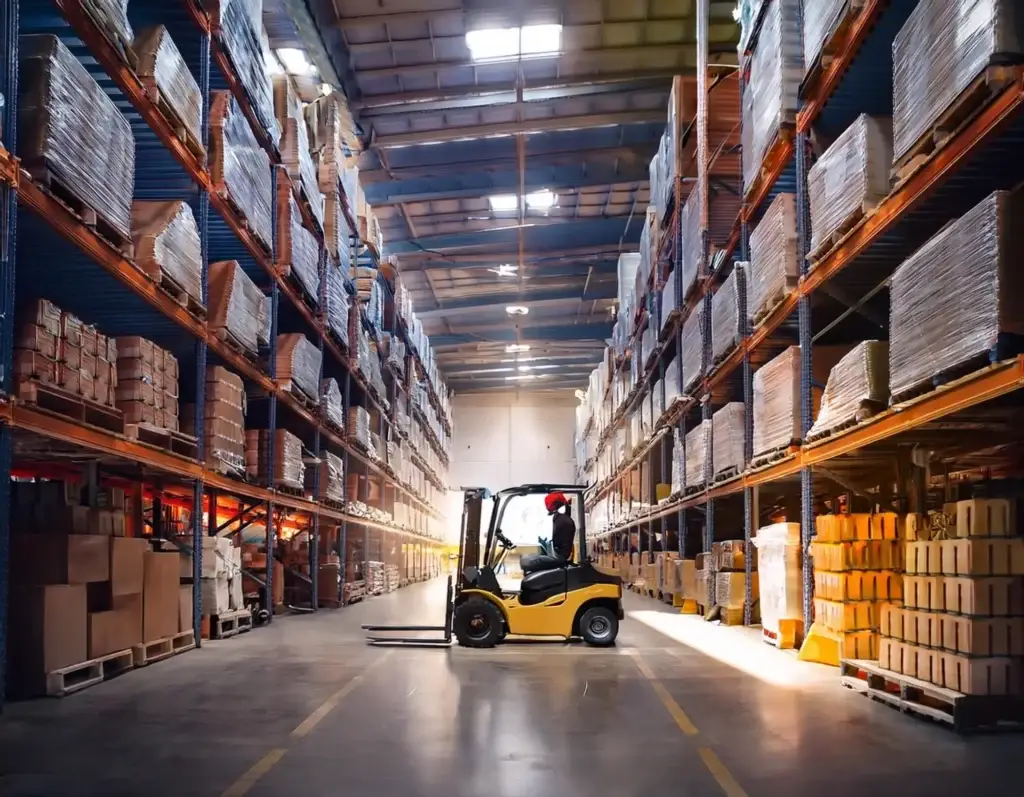
A pallet that moves through a highly automated distribution center faces different demands than a pallet used in a traditional warehouse. A pallet stored in rack systems experiences different stresses than one that moves directly from production to transportation.
Forklifts matter. Pallet jacks matter. Conveyor systems matter. Automation matters. Storage methods matter.
The handling environment influences everything from pallet style to deck configuration to lumber selection. Depending on the application, anything from a stringer pallet to a block pallet may provide the best solution. The right choice depends on handling requirements, storage conditions and performance expectations.
Millwood regularly sees examples where two companies use the same pallet footprint but require very different pallet constructions. One operation may require additional deck support. Another may require increased durability. A third may need a pallet designed to perform reliably within an automated environment.
Each requirement influences how the pallet is ultimately built.
The question is no longer: What size pallet do we need?
Instead, it becomes: How will this pallet function in our supply chain?
How Deck Configuration Impacts Pallet Performance
Deck configuration is one of the most important factors influencing pallet performance. This term refers to how the deck boards are arranged across the pallet, including the number of boards used, its width, spacing and placement. Those decisions affect how the load is supported, how the pallet performs and how well it protects the product throughout the supply chain.
A load of bagged materials may require different support than a load of packaged consumer goods. Products with smaller footprints may require additional deck coverage. Loads that are sensitive to movement or deflection may require a different board layout than products that can tolerate more flexibility.
These pallet engineering decisions can have a significant impact on pallet performance, durability and overall cost. And those considerations mean the goal isn’t simply to add more lumber – it is to place support where the application requires it.
When pallet design begins with the application, deck configuration becomes another tool for matching the pallet to the demands of the load.
Why Packaging Science Looks Beyond the Pallet
While pallet configuration plays a critical role in unit load performance, the pallet is only one part of the system. A load’s performance is also influenced by packaging materials, stretch film, corner protection, product stacking patterns and handling practices.
This is where Millwood’s Packaging Science approach adds real-world value to the configuration process. Effective pallet optimization often requires evaluating the entire unit load rather than focusing on a single component.
In many cases, custom pallet design begins by understanding how the complete unit load performs throughout the supply chain. That shifts the focus from simply building the strongest pallet possible to building the most effective unit load possible.
A stronger pallet can solve a problem. A different stretch film can also solve the same problem. Additional corner protection could solve it as well. The best packaging solution depends on understanding how the entire load performs as a system.
That system perspective goes beyond testing a single point in the distribution chain, as can be the case with pallets used only in one-way shipments. ISTA-certified Packaging Science helps determine whether different designs are needed for reusable pallets too. In other words, every wood pallet design decision affects how the pallet and unit load perform in the field, in diverse and repeatable real-world scenarios.
Whether designing custom pallets for re-use or improving an existing one-way specification, the goal remains the same: improve unit load performance while balancing cost, durability and operational requirements.
When pallet configuration is approached this way, the conversation shifts from buying pallets to solving operational problems.
Choosing the Right Pallet Design for Your Application
The manufacturer in the opening story didn’t have a pallet size problem. Their pallets were the correct dimensions. The problem was that the pallet wasn’t aligned with the realities of their operation.
Once Millwood understood how the product was being handled, stored and moved throughout their supply chain, the path forward became much clearer.
That’s why pallet configuration is about much more than dimensions. It’s about understanding the demands being placed on the pallet. It’s about understanding the complete unit load. And it’s about designing a solution that delivers the right balance of performance, durability and cost.
The best pallet is not necessarily the cheapest pallet. The best pallet is not necessarily the strongest pallet. The best pallet is the one that fits the application.
Custom Pallet Design and Configuration for Your Application
Companies often begin the pallet purchasing process with a specification, a drawing or a pallet they have been buying for years. There is nothing wrong with that – but dimensions alone don’t tell the entire story.
Product requirements, handling environments and unit load performance all influence how a pallet should be configured and how it will perform once it enters the supply chain.
That’s why Millwood starts with the application. Because when the application is understood, pallet configuration becomes a process of solving problems rather than simply quoting lumber.
As Millwood President Chip Trebilcock puts it:
“There is no such thing as a standard pallet.”
The more closely a pallet is aligned with the realities of the application, the more likely it is to deliver the performance, efficiency and long-term value your operation requires.
Ready to Evaluate Your Pallet Configuration?
Whether you’re working from an existing pallet specification or looking to improve pallet performance across your operation, Millwood can help evaluate your application and identify opportunities to improve unit load performance, reduce waste and support long-term operational goals.
Connect with Millwood to discuss the right pallet configuration for your application.