Lumber is expensive right now, especially the hardwood pallet manufacturers rely on, because supply is getting thinner and costlier to produce, not because overall hardwood demand is booming. Sawmill closures, tighter log supply, rising costs and tariff-driven export losses are squeezing the industry in 2026. Pallet cants and lumber prices are holding firm after gains earlier this year, even as higher-grade hardwood prices soften. Buyers cannot control those forces, but they can control how they plan and who they buy from.
If the last hardwood quote on your desk made you read it twice, you are in good company. Your specs did not change. Your volume did not change. The price per board foot did, and the mill that used to call back the same day took three. It is natural to wonder whether something went wrong. Usually nothing is wrong with your order. Something has changed on the other end of the phone.
For pallet manufacturers and mills buying hardwood in volume, that moment is becoming familiar. So why is lumber so expensive right now?
The honest answer comes in two parts. The first involves four nuanced reasons that prices are up, and most of them are outside any single buyer’s hands:
- Sawmill closures are shrinking hardwood capacity.
- Tight log supply is leaving the mills still running short on raw material.
- Rising costs and lumber tariffs are raising what it takes to cut and ship pallet boards.
- Shifting demand has concentrated pallet hardwood in fewer mills.
The second part explores what you can practically do about this; what is actually in your hand to change.
Why Is Lumber So Expensive Right Now?
Picture the other end of that phone call. A hardwood sawmill manager in 2026 has fewer neighboring mills than a few years ago. Raw logs are harder to secure. The diesel bill is higher, and so are labor and insurance. Some of the export buyers who used to take grade lumber have gone quiet.
That is the short version of why prices are up, and it points to something important. A higher quote is often a cost being passed along, not a margin being padded. Fastmarkets reports rising labor, machinery, insurance and freight costs across sawmills and yards in 2026, while HMR notes that high fuel costs are squeezing producer margins.
It also explains a detail that surprises many buyers. Not all hardwood is getting more expensive. HMR’s composite price for kiln-dried grade hardwood was $1,593 per thousand board feet in mid-October, slightly below the previous year’s figure, and upper grades of maple have lost ground this fall.
Pallet cants are a different story: HMR describes the market as “red-hot,” with prices that rose through the summer and have held at those higher levels since. In other words, the tightness remains concentrated in the starter material pallet manufacturers need to keep their operations running.
Think about it this way: a pallet cant starts as a log at a hardwood sawmill. When that sawmill closes, the demand for its cants does not disappear. It moves to the mills still running, which is why closures sit at the center of this story for anyone sourcing industrial lumber and panels.
Cant
A cant is a log sawn on two or more sides into a squared timber. Pallet manufacturers resaw cants into deck boards and stringers, which makes cant supply a direct input to pallet production.
Let’s break this down further into four reasons around higher lumber prices in the pallet industry right now.
Reason 1: Sawmill Closures Are Driving the Hardwood Shortage
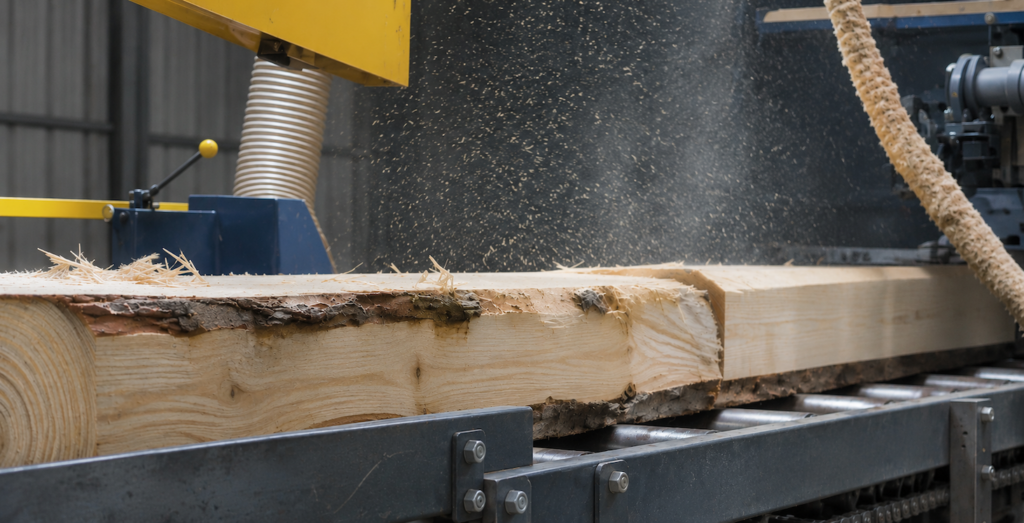
Of the four reasons, sawmill closures matter most. Pallet Enterprise reported in April that the Hardwood Federation estimates at least one sawmill is going out of business every week.
When a mill down the road closes, its customers do not stop needing cants and cut stock. They call the mills still running. Those mills take on more orders with the same saws and the same crews, and lead times stretch. That three day callback is often a mill doing its best with more customers than it had last year.
Many of these closures are in rural communities. Fastmarkets cites NHLA estimates that 35 hardwood sawmills closed in 2025, with roughly 40,000 industry jobs lost since 2022. Each one was a source of supply, and for many towns, a source of work.
Reason 2: Tight Log Supply Is Squeezing the Mills Still Running
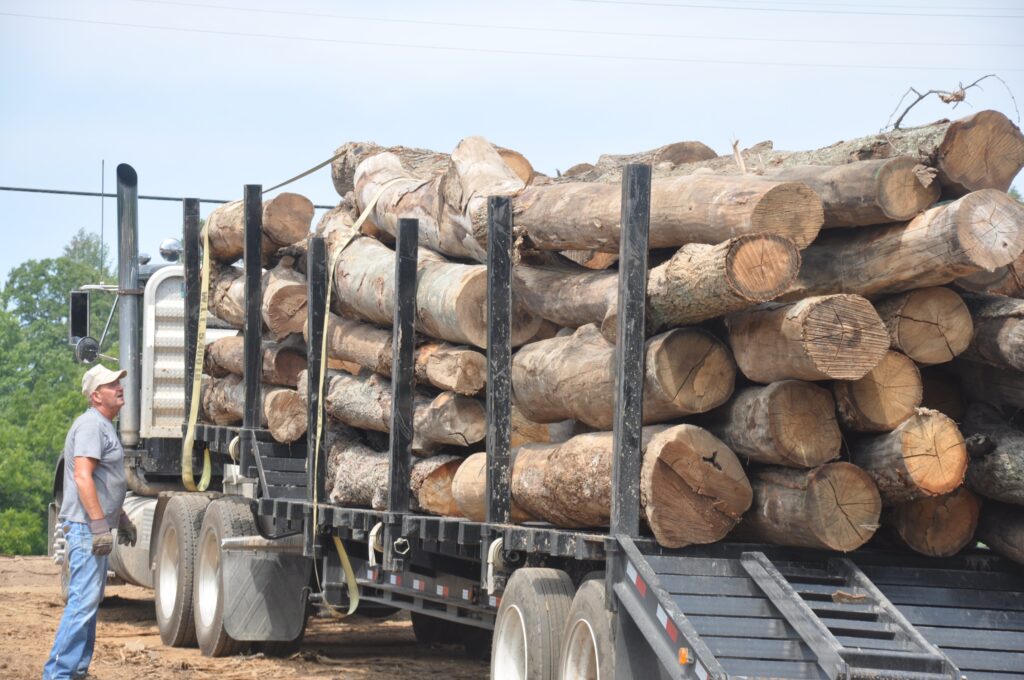
Every board starts in the woods, and the path from forest to pallet shop is getting longer. More American hardwood logs are being shipped overseas unsawn, according to Timber Industry News, leaving domestic mills competing for raw material.
For a mill that has already picked up customers from closed neighbors, fewer logs at the gate means less room to say yes. Reason 1 and Reason 2 compound each other: more orders landing on fewer mills, with less wood to go around.
Reason 3: Rising Costs and Lumber Tariffs Are Increasing What It Takes to Cut and Ship Hardwood
Even with logs in hand, cutting and shipping them costs more than it used to. Start with the truck. The national average diesel price rose from about $3.81 a gallon in late February to $6.35 by late October, according to the U.S. Energy Information Administration, and hardwood feels freight more than most buyers expect.
In Millwood’s experience, hardwood weight and density limits truckload deliveries to around 7,800 board feet, a meaningful step down from relative softwood capacity. Every jump in fuel costs compounds this consequence for hardwood shipments, so that distance to the mill quietly becomes part of the price you pay.
If the diesel-distance combo is where you start, the next place most buyers look is trade policy. Lumber tariffs affect hardwood and softwood in opposite ways. The broad strokes are as follows:
- For hardwood, tariffs shrink what US mills can sell abroad.
- For softwood, they raise what US buyers pay to bring lumber in.
And now for the nuance. For hardwood, the effect on buyers is mostly indirect. U.S. hardwood lost significant ground in China after the 2018 trade dispute, and Fordaq reports that the American Hardwood Export Council sees weaker Chinese real estate as part of that story too. Fewer export customers mean weaker revenues for mills, which feeds back into closures.
Raw logs are a different story. As Reason 2 above notes, they are still heading overseas, so mills face weaker lumber sales and tighter log supply at the same time.
For softwood, the effect is more direct. Combined US duties on most Canadian softwood lumber more than doubled in 2025, from 14.40% to 35.19%, and a separate 10% tariff on softwood lumber imports took effect that October. Both add cost to SPF in particular, which matters for pallet programs that turn to softwood when hardwood runs tight.
So what can you do about it? Trade policy works a lot like weather. It is worth watching and planning around, but it is not worth losing sleep over, because no buyer controls it. The useful approach is to know which part of your lumber bill it touches: for hardwood, mill capacity; for softwood, the price of imported SPF.
Reason 4: Shifting Material Demand Is Why Pallet Lumber Prices Hold Firm
The pallet industry itself has changed what it buys. Forestnet reports that pallet raw material has flipped from around 80% hardwood to roughly 80% softwood. Softwoods like Southern Yellow Pine now carry much of that load, and for many applications they do the job well. SPF demand has followed a similar path, such that both types now give pallet programs options when hardwood runs tight.
Hardwood still holds a meaningful place in many pallet programs, including those producing stringer pallets. The catch is that pallet-grade hardwood is largely a byproduct of cutting higher-grade lumber. With grade lumber demand soft and more sawmills closing, less pallet-grade material reaches the market, even as demand for it holds strong. That is why pallet cant and lumber prices have held firm while higher-grade hardwood prices soften.
Those are the four major reasons lumber, and especially hardwood pallet material, remains expensive right now, and the truth is that no single buyer can change any of them. The next part of this article tells a different story, by focusing on what you can actually change.
What Sets the Hardwood Lumber Prices You’re Quoted
The first practical step within reach is understanding the quote itself. Two hardwood quotes can look alike and still describe different lumber. A few questions make them easier to compare:
| On Your Next Quote | Why It Is Worth Asking |
| Which species and grade? | Pallet grade and grade lumber sell in different markets at different prices. |
| Green or kiln dried? | Moisture changes weight, freight and handling. |
| Actual or nominal count? | It changes what a board foot means on the invoice. |
| Delivered from how far? | Hardwood’s weight makes distance part of the price. |
The count question deserves extra attention. The same gap that separates nominal and actual lumber sizes can show up in how board footage is calculated.
What Buyers Can Control When Supply Tightens
Beyond understanding quotes, the next practical step is to go beyond the phone call itself, considering the bigger operational picture of procurement risk management and the major principles that approach follows.
Four of those principles apply directly to the challenge of rising lumber prices:
- Plan volume ahead. Mills can serve forecast demand more reliably than surprise orders.
- Stay flexible on specs. Where the application allows, another species or a softwood alternative can open supply.
- Order consistently. Steady volume builds relational capital with a mill.
- Know your mill. A direct relationship with the people cutting the lumber shortens every conversation.
Buyers cannot control how many mills close. They can control which mill knows their name.
That last point brings the story back to the phone call. When supply tightens, the mill on the other end matters as much as the lumber you are trying to purchase.
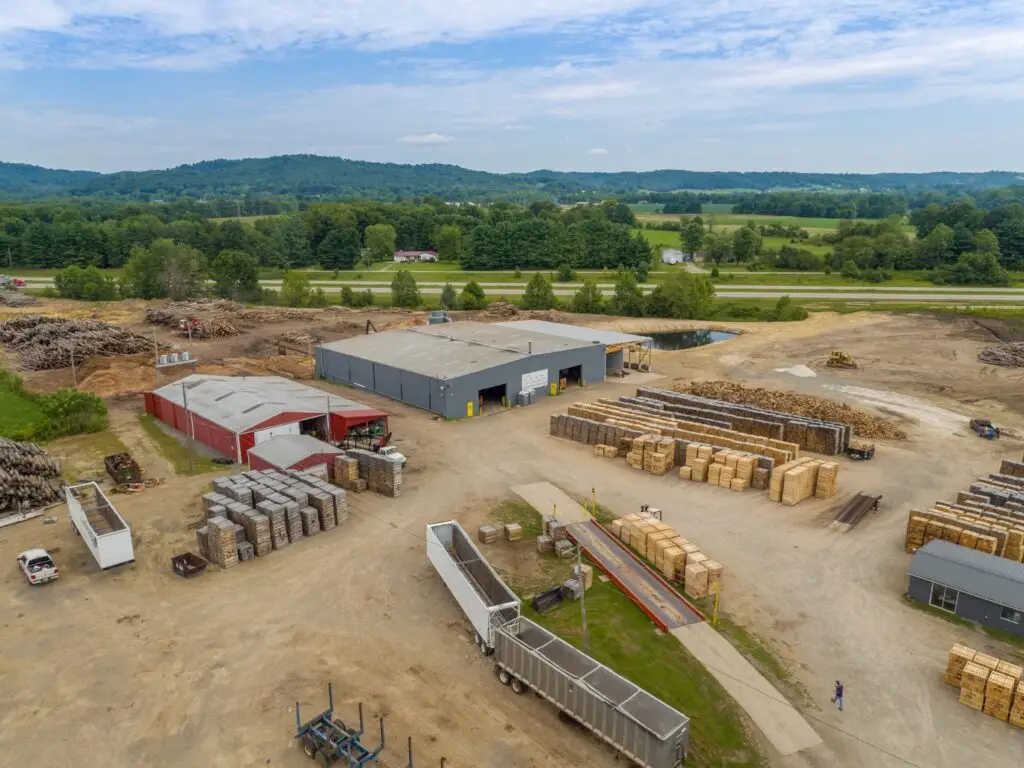
If your operation is based in Ohio, Indiana, West Virginia or any of the other surrounding areas within reach of Millwood’s Waverly, Ohio location, Milltree West, it could be worth getting to know Richard Clark, who manages the operation.
Richard’s Team cuts hardwood lumber and pallet cut stock for the pallet manufacturers and mills in the region, and he understands lumber market pressures from the inside because he and his Team work through them every day.
The Mill That Knows You Will Call You First
Hardwood markets will keep moving. Mills will open and close, freight will rise and fall and trade policy will shift with or without input from the people who buy lumber.
The steadiest response is not to fight every change. It is to see the market clearly, act on what is within reach and build a relationship with a mill that will still answer when supply gets complicated. The quote may come back higher next quarter. The call back does not have to take three days.
Lumber might be an interchangeable commodity. Increasingly, the supply relationship behind it is not.